Add Row
Add Element
cropper
update
WellnessDigestToday
The logo of WellnessDigest.Today
update
Add Element
  • Home
  • Categories
    • Mental Health & Mindfulness
    • Nutrition & Healthy Eating
    • Fitness & Workout Trends
    • Sleep & Recovery
    • Longevity & Anti-Aging
    • Sexual Health & Relationships
May 01.2025
3 Minutes Read

Which Ghee is Healthier: Vedic vs Anveshan Ghee Explained

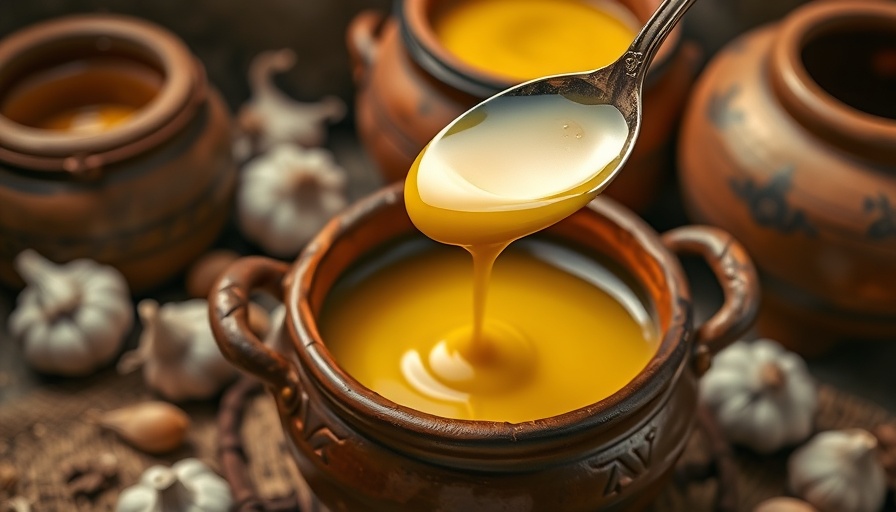
Best ghee in India being poured into a clay pot, traditional setting.

Choosing the Best Ghee: A Nutritional Perspective

In Indian households, ghee isn’t just a cooking ingredient—it embodies a rich tapestry of culture, tradition, and wellness. As a staple in many diets, especially those focused on health and nutrition, ghee brings with it numerous benefits considering its composition of medium-chain fatty acids. This article dives deep into the vibrant world of ghee, specifically comparing two highly revered brands: Vedic and Anveshan. Both claim to offer A2 Desi Cow Ghee made using traditional methods, but how do they stack up against each other?

Vedic Ghee: The Essence of Tradition

Originating from Kesariya Farm, Vedic Ghee is crafted using milk from grass-fed Gir cows in Gujarat. The Bilona method traditionally used for preparation involves churning cultured curd to make butter, which is then simmered to produce ghee. This labor-intensive process is not just about creating a product; it's about preserving age-old traditions of purity and taste.

Pros and Cons of Vedic Ghee

Vedic Ghee is celebrated for its rich flavor and thick texture, appealing to both culinary enthusiasts and health-conscious eaters. However, at a higher price point than its competitors, some users may find it a bit heavy for their taste, leading to concerns about value.

  • Reasons to Buy: Offers a rich traditional flavor and has lab-tested purity.
  • Reasons to Avoid: Higher price and occasional authenticity concerns.

Anveshan Ghee: A New Age Favorite

On the other hand, Anveshan Ghee presents itself as an affordable alternative, crafted from Hallikar cow milk in Karnataka. It embraces cruelty-free practices and emphasizes small-batch production, which appeals to consumers looking for transparency in sourcing.

Pros and Cons of Anveshan Ghee

This brand has gained a following due to its grainy texture that many find delightful. With an emphasis on lab testing—over 70 tests reported—Anveshan offers peace of mind for health-conscious consumers. However, feedback regarding aroma can be mixed, so it may not suit everyone’s palate.

  • Reasons to Buy: Affordable pricing and transparent production methods.
  • Reasons to Avoid: Mixed responses to aroma and flavor.

The Nutritional Edge: Why Ghee?

Ghee’s appeal extends beyond its culinary uses. The presence of medium-chain fatty acids allows for easier digestion and immediate energy release compared to other fats. Furthermore, its richness in vitamins A, D, and K2 supports various bodily functions, making it an excellent addition to meals.

Making Informed Decisions: Which Ghee to Choose?

Choosing between Vedic and Anveshan Ghee depends significantly on your dietary needs and ethical considerations. For those prioritizing authenticity and traditional Indian culinary practices, Vedic Ghee might be the ideal choice. In contrast, if you’re looking for affordability and ethical production, Anveshan could be your go-to.

Closing Thoughts: Empowering Your Eating Habits

With the ever-growing conversation around sustainable eating and nutrition, understanding the value of products like ghee is crucial. More than just a cooking fat, ghee embodies a healthy lifestyle choice steeped in culture and tradition.

By exploring both options thoroughly, you not only enhance your nutritional intake but also support producers who respect traditional methods. So, the next time you're in the kitchen, remember that the best ghee is not just about taste—it's about making informed, sustainable decisions for you and your loved ones.

Nutrition & Healthy Eating

7 Views

0 Comments

Write A Comment

*
*
Related Posts All Posts
12.10.2025

Delight in Chef-Approved Healthy Christmas Recipes for a Festive Feast

Update Delight Your Festivities with Nutritious Christmas Dishes The holiday season is a time for gathering with loved ones, celebrating joy, and, of course, indulging in festive treats. Yet, many health-conscious individuals grapple with how to enjoy the flavors of Christmas without compromising their nutritional goals. Fortunately, Chef Prajit Singh from JÔNT in Washington D.C. shares a range of chef-approved recipes that merge traditional festive flavors with nutritious ingredients, allowing you to create a hearty yet healthy Christmas feast. The Unforgettable Flavor of Healthy Eating Healthy eating is not just about restricting bad foods; it's about offering your body what it truly needs to thrive while still delighting your taste buds. Traditional Christmas recipes can be heavy, but they can also be reimagined. Chef Singh's recipes exemplify how to balance indulgence with mindfulness, allowing everyone at the table to enjoy a festive meal that supports their well-being. 1. Warm Spiced Beet and Sweet Potato Salad with Citrus Vinaigrette This vibrant salad is a perfect starter for your Christmas dinner. The warm flavors of roasted beets and sweet potatoes combined with the citrusy pop of orange create a nourishing dish that is both healthy and appealing. **Ingredients:**– 2 medium beetroot, roasted and diced– 1 large sweet potato, roasted and diced– 2 cups baby spinach– Segments from 1 orange– 2 tablespoons pumpkin seeds, toasted**Vinaigrette:**– 1.5 tablespoons olive oil– 2 tablespoons orange juice– ½ teaspoon Dijon mustard– ½ teaspoon honey– Salt and crushed pepper to taste**Instructions:** Toss all roasted ingredients together, whisk vinaigrette components separately, drizzle over salad, and top with pumpkin seeds for crunch. This dish is rich in vitamins and antioxidants, making it not only colorful but beneficial. 2. Masala Herb Roast Chicken with Carrot-Coconut Purée The centerpiece of your holiday meal can be equally healthy and delicious. This roast chicken, marinated with spices, served alongside a creamy carrot-coconut purée, ensures your meal is flavorful without the guilt. **Ingredients:**– 1 whole chicken (1.2–1.4 kg)– 120 g hung curd– 6 cloves garlic, grated– 1 tablespoon ginger, grated– Spices: Kashmiri chilli, turmeric, garam masala; and lemon juice**Carrot-Coconut Purée:**– 300 g carrots, steamed– 120 ml light coconut milk**Instructions:** Marinate and roast the chicken, then blend steamed carrots with coconut milk. Serve with garnished coriander. This dish is savory and keeps the chicken moist, enhancing the experience of your festive dinner. 3. Millet Pilaf with Cranberries, Green Beans, and Almonds This side dish showcases the grain's versatility while delivering both sweetness and crunch. **Ingredients:**– 200 g foxtail millet, washed– 1 small onion, sliced– 60 g green beans, sliced– 40 g dried cranberries; seasonings, and stock**Instructions:** Sauté onion with spices, then add millet and vegetables. Cover and cook until fluffy. Finish with toasted almonds for added richness. 4. Grilled Winter Vegetable Platter with Coriander-Mint Chimichurri A colorful platter of vegetables enhances your meal and promotes healthy eating. The chimichurri adds a refreshing kick, ensuring a delightful experience for your guests. **Ingredients:**– Mixed winter vegetables:– Cauliflower, carrots, zucchini– Chimichurri ingredients**Instructions:** Grill lightly oiled vegetables until charred. Blend chimichurri ingredients and drizzle over the vegetables, allowing each guest to enjoy nature's bounty. 5. Jaggery and Saffron Poached Pears with Pistachios If you think healthy desserts are bland, this memory will charm you. Poached pears with jaggery and saffron offer a naturally sweet end to your holiday meal. **Ingredients:**– 4 firm pears– 600 ml water, jaggery, saffron**Instructions:** Simmer the ingredients, poach pears till tender, and serve with pistachios. This dessert leaves everyone feeling satisfied without an overload of sugar. Creating a Healthier Christmas: The Choice is Yours Incorporating these recipes into your holiday gathering encourages a culture of health consciousness while celebrating flavor and family. These dishes not only shine on the table; they also nourish your body, driving forward the spirit of wellness. This holiday season, make informed decisions about your meals, embracing a lifestyle that prioritizes nutrition without sacrificing joy. Move Forward with Your Healthy Holiday Plans The recipes featured here are just the beginning of a healthier lifestyle. They embody how you can infuse festive gatherings with wholesome ingredients that celebrate both flavor and health. Let this festive season inspire you to create dishes that are nourishing and delicious, proving that Christmas can be both festive and healthy.

11.29.2025

Unlock the Healing Power of Turmeric, Black Cumin, and Moringa for Your Health

Update The Healing Power of Nature: Indulge in Turmeric, Black Cumin, and Moringa In a world where modern medicine often takes the forefront, the traditional uses of herbs like turmeric, black cumin, and moringa remain not just relevant but crucial for holistic health. These three powerhouse plants are celebrated not only in their native regions but increasingly globally, as scientific studies validate their age-old roles in promoting well-being and combating common ailments. Historical Context and Background These herbs have been part of ancient health traditions, particularly in Ayurvedic medicine, where they are known to balance body energies and treat various ailments. Turmeric has been used for over 4,000 years as a spice and medicinal herb in India. Its main component, curcumin, has captured scientific interest for its potent anti-inflammatory properties. Black cumin, or Nigella sativa, has roots deeply embedded in Islamic and Egyptian cultures, where it is often referred to as the "seed of blessing" due to its numerous health benefits. Meanwhile, moringa, often dubbed the "Miracle Tree," hails from the Indian subcontinent and has gained fame for its rich nutrient profile. Nutrition Unleashed: The Benefits You Can’t Ignore Incorporating turmeric, black cumin, and moringa into your diet can significantly enhance your nutritional intake. Turmeric is not just a flavor enhancer; it is revered for its healing effects on various chronic conditions. The rich antioxidants present in turmeric support immune health and reduce inflammation associated with arthritis and metabolic disorders. Black cumin is packed with thymoquinone, known for its anti-inflammatory and antimicrobial properties, helping combat respiratory issues and digestive problems. Moringa contributes an impressive array of nutrients, touted for its ability to lower blood sugar levels and improve energy. With vitamins A, C, and E—along with minerals like calcium and potassium—moringa effectively fights oxidative stress and enhances cardiovascular health. How to Effectively Include These Herbs in Your Daily Routine Integrating these herbs into your lifestyle can be a delightful journey. Turmeric can easily blend into warm milk, soups, or smoothies, offering a unique flavor and color while boosting your health. A simple recipe recommends mixing a teaspoon of turmeric with honey and warm milk for an effective immunity booster. Black cumin seeds can be added to salads or used as a topping on various dishes, lending not only taste but impressive health benefits. You might also brew black cumin oil, a powerful ally for skincare and hair growth. Moringa leaves or powder can be added to morning juices or sprinkled on oatmeal for a nutritious breakfast. Recognizing its versatility, incorporating these herbs can be as simple as a daily smoothie or herbal tea infusion. Emotional and Human Interest Angles: Real-life Benefits As stories circulate around the globe, many individuals have shared testimonials about the immense benefits they have experienced since incorporating these herbs into their lifestyles. For people dealing with chronic conditions like arthritis or diabetes, these herbs have provided natural relief, reducing dependency on pharmaceuticals. Additionally, preferences for sustainable lifestyle choices have made these natural remedies popular with eco-conscious individuals seeking to enhance their diets without contributing to synthetic drug production. Community workshops and online initiatives focusing on herbal education are popping up worldwide, creating a renewed interest in these age-old remedies. Counterarguments: The Debate on Natural vs. Modern Medicine While the benefits of turmeric, black cumin, and moringa are compelling, some remain skeptical about fully relying on herbal remedies instead of conventional medications. Critics often point to the lack of extensive clinical trials and standardized dosages associated with these herbs. Moreover, some argue that while herbs can aid health, they should complement—rather than replace—medical interventions. Nonetheless, a growing body of research continues to investigate their efficacy, suggesting that these herbs may play a vital role in preventive healthcare. Take Action: Embrace a Healthier Lifestyle Today! As you contemplate how to enhance your dietary choices, consider introducing turmeric, black cumin, and moringa into your routine. Not only can these herbs provide significant health benefits, but they also represent a meaningful connection to traditional healing practices that promote overall wellness. With their anti-inflammatory, antioxidant, and nutrient-rich properties, they embody a sustainable approach to nutrition and healthy living.

11.18.2025

Boost Energy and Immunity: Essential Protein-Rich Foods for Winter Nutrition

Update Winter Nutrition: Embrace Protein-Rich Foods As winter approaches, many of us experience increased fatigue and hunger, prompting us to seek comfort foods. But did you know that incorporating more protein-rich foods into your diet can significantly counteract these winter woes? Proteins are essential not only for muscle growth but also for sustaining energy levels and bolstering immunity, crucial during these colder months. Below, we delve into ten protein-rich foods perfect for winter, ideal for anyone eager to boost their wellness journey. The Power of Protein: Understanding Its Role Protein plays a pivotal role in our health. It helps build and repair tissues, produces enzymes and hormones, and is a vital element of bones, muscles, cartilage, skin, and blood. During winter, our bodies expend more energy to maintain warmth, which means a higher protein intake can help us feel fuller longer and reduce the temptation to snack frequently. Top Protein Sources for Your Winter Diet 1. Nuts and Seeds - Almonds, walnuts, and sunflower seeds are excellent sources of protein, healthy fats, and fiber. They can be easily mixed into yogurt or eaten on their own to fend off hunger pangs. Their nutritional profile allows for sustained energy throughout the day, making them ideal winter snacks. 2. Eggs - A hard-boiled egg serves as a compact source of protein with around 6 grams per egg. They are versatile and can be included in various meals, ensuring you stay full. Plus, they are a cost-effective option available year-round. 3. Dairy Products - Foods like yogurt and cottage cheese provide not only protein but also essential vitamins such as calcium and vitamin D, necessary for bone health particularly during those months when sunlight lacks. 4. Beetroot - While not incredibly high in protein, beetroot stands out for its antioxidant properties and additional nutrients. Integrating beetroot into salads can enhance your overall nutritional intake. 5. Tuna - A can of tuna can offer an astounding 50 grams of protein, making it one of the most efficient sources. Ideal for quick meals, its convenience is matched only by its health benefits, particularly for supporting muscle recovery and growth. 6. Lean Meats - Chicken and turkey are top choices for lean protein. Their low-fat content combined with high protein makes them perfect for maintaining muscle strength during winter. 7. Cottage Cheese - This dairy staple delivers high protein content and is extremely versatile; eat it as a snack, add it to salads, or mix it with fruits for a refreshing treat. 8. Roasted Chickpeas - Not only do they provide a crispy snack alternative, but they also pack fiber and protein, making them filling and nutritious. 9. Tofu - For those on plant-based diets, tofu is a stellar protein source that can absorb the flavors of various dishes, making it a flexible ingredient. 10. Legumes and Pulses - Beans, peas, and lentils are rich not just in protein but also fiber, supporting gut health and providing steady energy levels. Fueling Your Body Wisely This Winter As the season changes, so should our approach to nutrition. Understanding the importance of protein and how it interacts with our bodies can help us make informed dietary choices, promote weight loss, enhance muscle gain, and improve overall health. This winter, prioritize these protein-rich foods to not only stay warm and full but also to maintain a nourishing diet. Take Charge of Your Health This Winter! Consider revising your winter grocery list with these protein-packed foods and see how they can transform your winter experience. A well-rounded diet filled with the right nutrients is key to feeling energized and healthy all winter long. Embrace these changes today for a healthier lifestyle!

Terms of Service

Privacy Policy

Core Modal Title

Sorry, no results found

You Might Find These Articles Interesting

T
Please Check Your Email
We Will Be Following Up Shortly
*
*
*