Add Row
Add Element
cropper
update
WellnessDigestToday
The logo of WellnessDigest.Today
update
Add Element
  • Home
  • Categories
    • Mental Health & Mindfulness
    • Nutrition & Healthy Eating
    • Fitness & Workout Trends
    • Sleep & Recovery
    • Longevity & Anti-Aging
    • Sexual Health & Relationships
April 19.2025
3 Minutes Read

How Insomnia and Sleep Medication Use Increase Disability Among Older Adults

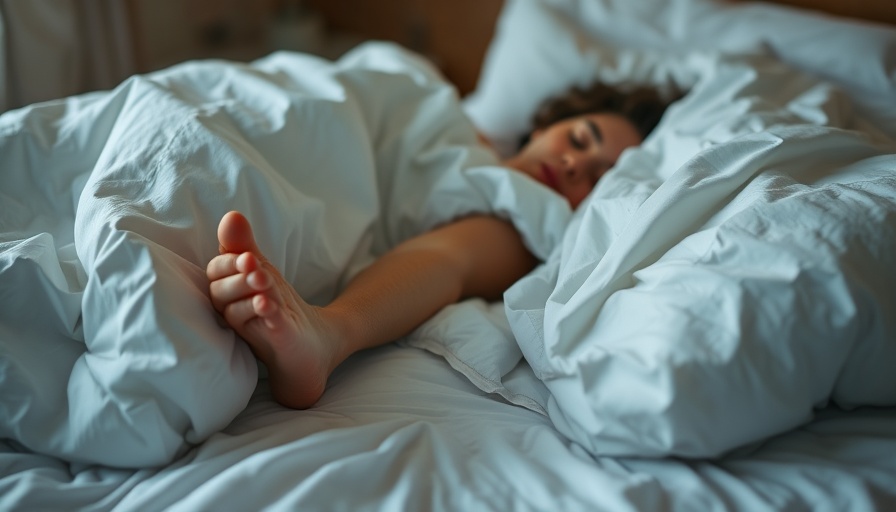
Feet sticking out from under covers in a cozy bedroom, portraying insomnia and sleep medication use.

Understanding Insomnia’s Impact on Older Adults

Insomnia isn't just a sleep issue; it’s a profound public health concern, particularly among older adults. According to a recent study conducted by researchers at Penn State University and Taipei Medical University, nearly 50% of all adults over 65 report struggling with insomnia symptoms. This study, published in the journal SLEEP, indicates a troubling correlation: increased insomnia and sleep medication use heightens the risk of disability as individuals age.

The Hidden Dangers of Sleep Medication

For many, sleep medications may seem like an easy solution for a restless night. However, the new research emphasizes that prolonged use can lead to more significant issues. In fact, an incremental rise in insomnia symptoms was linked to a 20% increased risk of becoming disabled in daily activities. More alarming is that participants who combined sleep medication use with persistent insomnia symptoms faced the highest risk of disability.

Disability Assessments Revealed

Using data from the National Health and Aging Trends Study (NHATS), which analyzed 6,722 older adults, the researchers measured various aspects of disability. Activities assessed include essential self-care tasks like dressing and eating, and mobility tasks such as getting out of bed and moving around. These measures provided a clear picture of how sleep issues could impact daily life, revealing a serious and often overlooked aspect of aging.

Addressing Insomnia: The Need for Proper Treatment

Experts call for better management of insomnia in older adults. "As older people experienced more insomnia symptoms or utilized more sleep medications, their progression towards disability accelerated," states Orfeu Buxton, co-author of the study. This insight highlights the necessity for healthcare providers to prioritize effective insomnia treatments to improve overall quality of life.

Investing in Sleep Health and Well-Being

Understanding the link between insomnia, medication use, and disability underscores an urgent need for older adults to pursue healthier sleep practices. Encouraging better sleep hygiene—which includes maintaining a consistent sleep schedule, creating a comfortable sleep environment, and exploring natural sleep aids—can be instrumental.

It’s vital to note that lifestyle changes can play a pivotal role. Factors like engaging in physical activity, managing stress through mindfulness and relaxation techniques, and developing a healthy diet are crucial to improving sleep quality. By adopting these practices, older adults can make strides in not only enhancing their sleep but also reducing their risk of disability.

Building a Supportive Community

As we delve into this vital topic, it's important for families and caregivers to be part of the conversation. Supporting older adults in cultivating better sleep practices and encouraging communication about sleep health can lead to improved outcomes. In particular, having regular discussions about sleep issues can help destigmatize insomnia, allowing those affected to seek help and support.

The Road Ahead: Future Trends in Sleep and Aging

Looking ahead, we can expect more research to emerge, focusing on innovative solutions for sleep disorders in older populations. Developments in non-pharmaceutical therapies, which leverage technology such as sleep tracking and behavioral interventions, will likely offer more insights. As society continues to evolve, staying informed and proactive will be essential in combating the challenges posed by insomnia.

In summary, the findings of this study serve as a wake-up call—reminding us that quality sleep is integral to maintaining independence as we age. Prioritizing sleep health not only enhances overall well-being but can also prevent a gradual decline into disability.

Call to Action: If you or a loved one is struggling with sleep issues, consider consulting a healthcare professional. The sooner you address these concerns, the better chance you have at improving your quality of life and maintaining independence.

Sleep & Recovery

1 Views

0 Comments

Write A Comment

*
*
Related Posts All Posts
12.13.2025

Untreated Sleep Apnea: A Critical Heart Health Warning for Sleep Disorder Sufferers

Update Understanding Untreated Sleep Apnea: A Hidden Threat to Heart Health Obstructive sleep apnea (OSA) is more than just a snoring problem; it’s a serious condition that can significantly impact cardiovascular health. Recently, a groundbreaking study published in npj Aging has brought to light the alarming effects of untreated sleep apnea, demonstrating that it accelerates cardiovascular aging and heightens the risk of premature death. The Connection Between Sleep Apnea and Heart Disease Researchers from the University of Missouri and Marshall University conducted a long-term study using mouse models simulating intermittent drops in oxygen—characteristics of sleep apnea. Their findings revealed that prolonged exposure to these hypoxic conditions was linked to increased mortality and notable signs of cardiovascular aging. These included elevated blood pressure, impaired heart function, and reduced vascular flexibility, conditions that contribute to a shorter lifespan. Doctor David Gozal, a prominent figure in the research, indicated, "The consequences of obstructive sleep apnea extend far beyond poor sleep quality. Prolonged intermittent hypoxia creates a cumulative burden on the cardiovascular system that accelerates biological aging and elevates mortality risk." This substantial claim emphasizes the urgency for early diagnosis and treatment of sleep-disordered breathing. Implications for High-Risk Regions Particularly concerning are the implications for regions like Appalachia, where both cardiovascular diseases and undiagnosed sleep apnea are significant health challenges. With early screening and interventions like continuous positive airway pressure (CPAP) therapy, there is a potential to ameliorate long-term outcomes. Unfortunately, many affected individuals remain unaware of their condition. Strategies to Combat Untreated Sleep Apnea Acknowledging the necessity for increased awareness, the medical community has pushed for routine screenings in primary care settings, especially for patients suffering from conditions like hypertension and heart failure—both of which frequently co-occur with sleep apnea. Real World Connections: A Personal Perspective Real-life testimonies underscore the burden of sleep apnea and the benefits of treatment. Take the story of Jane, a 47-year-old mother who struggled with chronic fatigue and weight gain without knowing that OSA was the culprit. After receiving a CPAP machine and adhering to the treatment, she noticed a remarkable improvement in her energy levels and general health. Jane’s experience exemplifies how proactive measures can lead to substantial positive lifestyle changes. Future Directions: The Need for Proactive Health Management The evidence is clear: sleeping poorly due to untreated apnea is not just a lifestyle nuisance; it is a ticking time bomb for cardiovascular disease. As more research illuminates the dangers, it is imperative that health systems adapt to prioritize patient evaluations regarding sleep health. We stand at a pivotal moment where recognizing sleep apnea as a legitimate cardiovascular risk factor can lead to better health outcomes for millions. Individuals experiencing excessive daytime sleepiness, loud snoring, or episodes of breathing cessation during sleep should consult healthcare providers promptly. Moreover, community awareness campaigns can play a vital role in destigmatizing the conversation surrounding sleep disorders and pushing for essential screenings. Take Action for Heart Health For those who suspect they may have sleep apnea, don’t hesitate to reach out to a healthcare professional. Timely intervention can drastically improve quality of life and reduce the risks associated with untreated sleep apnea. Remember, your heart health is worth it!

12.12.2025

Unlocking the Secrets: How Sleep Affects Your Body's Clock and Heart Health

Update Understanding Circadian Rhythms: The Body’s Internal ClocksHave you ever felt out of sorts after a late-night binge, or maybe after a disrupted sleep schedule? You’re not alone. Circadian rhythms, often termed our body’s internal clocks, govern not just when we sleep and wake, but also significantly influence our overall health, particularly heart health. These rhythms can get skewed by our lifestyle choices, leading to various health repercussions.How Sleep Impacts Heart HealthDr. Lorrie Kirshenbaum, an expert in physiology, explains that sleep plays a crucial role in maintaining a well-functioning heart. During sleep, the heart repairs itself, discarding damaged cells and rejuvenating the muscle. Yet, when we disrupt our sleep patterns—whether through shift work, traveling across time zones, or even daylight savings—our heart’s ability to do this becomes compromised. This disruption causes a backlog of damaged proteins within heart cells, likening the situation to a cluttered garage overflowing with junk. Over time, this buildup can lead to cardiovascular diseases, making sleep not just a luxury, but a necessity for heart health.The Connection Between Sleep and Recovery in Different GendersInterestingly, gender can also impact how our hearts respond to circadian rhythms. Women often experience different heart conditions compared to men largely due to hormonal differences. Kirshenbaum’s studies suggest that specific genes regulated by the circadian clock operate differently in female hearts. This could clarify why women are at greater risk of certain heart diseases, often misdiagnosed within a system primarily focused on male health. Understanding these distinctions highlights the importance of personalized health strategies—what works for one may not work for another.Practical Tips for Better Sleep and Heart HealthTo support your heart through better sleep, consider these straightforward strategies:1. Regular Sleep ScheduleGoing to bed and waking up at the same time daily can help align your circadian rhythms. Try to maintain this consistency even on weekends.2. Limit Blue Light ExposureUsing screens before bed can disrupt how your brain signals the need for sleep. Consider dimming screens or using blue light filters in the evening.3. Early NutritionEating your meals earlier in the day can improve sleep quality and metabolic function. Make it a habit to consume your largest meals in the first half of the day.4. Morning SunlightSunlight exposure in the morning boosts serotonin production, preparing you for restful sleep later in the day.The Case for ChronotherapyChronotherapy—timing medications and lifestyle activities to match our natural rhythms—is gaining traction in the medical community. Preliminary studies suggest that taking certain medications at specific times may enhance their efficacy and minimize side effects. For individuals with high blood pressure or heart diseases, this could mean taking medication at night when their bodies naturally experience physiological dips.Adjusting to Change: Why It MattersAs our world increasingly demands 24/7 productivity, knowing how to adjust for circadian disruptions becomes vital. Understanding the science behind our internal clocks empowers you to make informed choices about your daily habits. Achieving better sleep not only enhances recovery but can significantly reduce the risk of cardiovascular issues related to circadian misalignment.Conclusion: Taking Action for Better HealthWith more awareness and understanding of how sleep impacts our bodies, it's time to prioritize healthy sleep habits. By leveraging our knowledge of circadian rhythms and heart health, we can forge a proactive approach to living healthier lives. Don't hesitate—begin implementing these small changes today, and watch how they transform your sleep and recovery practices.

12.11.2025

Examining Sleep Disorders in China: Challenges and Solutions Unveiled

Update Understanding China’s Sleep Disorders Crisis As our world races into the future, sleep problems are increasingly recognized as a formidable public health challenge—especially in China. A recent study led by Professor Lu Lin from Peking University has provided a comprehensive overview of the sleep health landscape in the nation, highlighting the toll of insufficient sleep across various demographics. The research, published in The Lancet Public Health, emphasizes the dire need for improved awareness and solutions due to alarming rates of insomnia and obstructive sleep apnea (OSA). The Health and Economic Toll of Poor Sleep In 2018 alone, poor sleep health was estimated to cost an extraordinary 115 million years of life and approximately $628.15 billion in economic losses. With rapid urbanization and societal changes, sleep issues are no longer merely personal ailments; they affect national vitality. Addressing sleep challenges is not only a matter of individual well-being—it’s integral to shaping a healthier society. Challenges Facing Sleep Health in China According to the study, challenges contributing to sleep disturbances in China fall into two main categories. Firstly, deep-seated social issues, such as the intense competition culture often referred to as "neijuan," and an aging population faced with geriatric health complications, create an environment where quality sleep is compromised. Secondly, the systemic limitations, including uneven distribution of medical resources and a frail healthcare infrastructure, exacerbate these sleep issues. Without addressing these underlying factors, effective solutions may remain elusive. Current Strategies and Future Directions In response to this crisis, China has initiated multifaceted strategies as part of the Healthy China 2030 framework. These measures are designed not just to alleviate students’ and workers’ burdens but also to enhance healthcare system capacity and improve sleep-related research. The aim is to transform socioeconomic and cultural norms regarding sleep health, fostering a society where quality sleep is prioritized. From Awareness to Action: Promoting Sleep Health To truly impact sleep health in China, public awareness campaigns are critical. Educating the population through digital health communication can change perceptions of sleep health, making it a communal concern rather than an individual issue. This, in turn, will help to foster an environment where seeking support for sleep disturbances becomes normal. A Holistic Approach to Sleep Improvement The road to enhancing sleep health in any region involves looking beyond immediate solutions. In China, promoting sleep recovery can only be achieved if the healthcare system is robust enough to address the diverse needs of the population. Collaboration between government, healthcare professionals, and communities is essential to create an integrated approach that supports overall health. Encouraging Personal Responsibility for Better Sleep For individuals struggling with sleep disorders, understanding one's own habits is the first step towards recovery. Limiting screen time—especially before bed—and engaging in physical exercises like those mandated by recent educational reforms can improve sleep. Balancing academic responsibilities with adequate leisure time can also cultivate a healthier lifestyle, benefiting both mind and body. Your Path to Better Sleep If you're battling sleep challenges, consider adopting these steps: track your sleep patterns, reduce screen time, and incorporate relaxing nighttime routines. By being proactive and making conscientious lifestyle choices, anyone can pave the way to better sleep health. Join the conversation and share what methods have worked for you! Take action today by sharing your thoughts on sleep health in China or your personal experiences with sleep disorders. Engaging in discussions can help build a supportive community aimed at improving awareness and solutions for better sleep.

Terms of Service

Privacy Policy

Core Modal Title

Sorry, no results found

You Might Find These Articles Interesting

T
Please Check Your Email
We Will Be Following Up Shortly
*
*
*