Add Row
Add Element
cropper
update
WellnessDigestToday
The logo of WellnessDigest.Today
update
Add Element
  • Home
  • Categories
    • Mental Health & Mindfulness
    • Nutrition & Healthy Eating
    • Fitness & Workout Trends
    • Sleep & Recovery
    • Longevity & Anti-Aging
    • Sexual Health & Relationships
April 26.2025
3 Minutes Read

Discover How Spinach Can Help Alleviate Period Pain Naturally

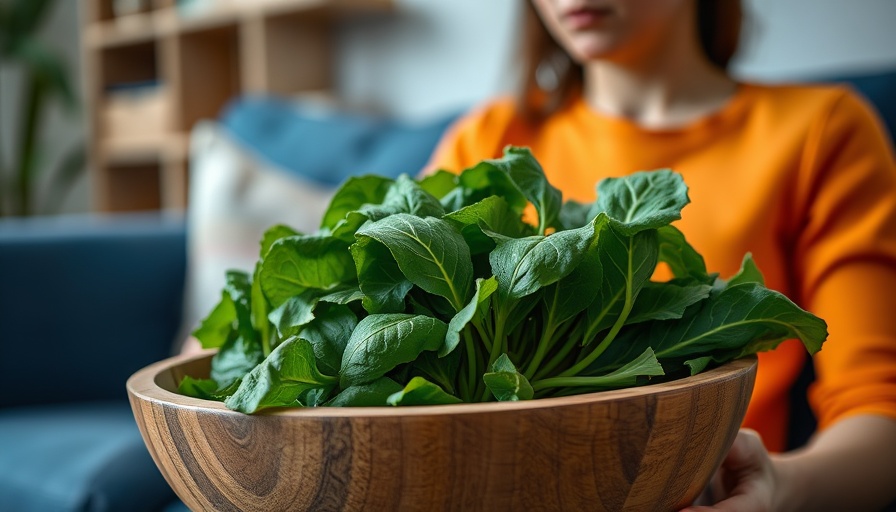
Remedy for period pain: spinach and woman experiencing discomfort.

Why Period Pain Affects Many Women

Period pain, medically known as dysmenorrhea, is a common issue that affects a significant number of women worldwide. The discomfort can range from mild to severe, impacting daily activities and overall quality of life. Pain often manifests as cramping in the lower abdomen, along with symptoms like back pain, nausea, and even headaches. Understanding these nuances can help women better navigate their menstrual cycles.

Empowering Remedies: The Nutritional Power of Spinach

While it's easy to resort to pain relief medications during menstruation, many women are seeking natural alternatives like spinach, which is packed with nutrients beneficial for managing period discomfort. Spinach, a humble leafy green, contains a wealth of minerals, vitamins, and antioxidants that aid in overall health, particularly during menstruation.

The Role of Iron: Combatting Fatigue and Pain

One key benefit of spinach is its high iron content. During menstruation, women lose blood and with it, iron—an essential mineral that helps manage energy levels and fight fatigue. An iron deficiency can lead to increased pain sensitivity, amplifying period cramps. By integrating iron-rich spinach into the diet, women can replenish these lost reserves, potentially alleviating cramps and fostering a sense of vitality during their periods.

Magnesium's Muscle Relaxation Effects

Magnesium is another important aspect of spinach’s nutrient profile. Known for its muscle-relaxing properties, magnesium has been shown to counteract the uterine contractions that can lead to painful cramps. According to research published in the journal Foods, magnesium inhibits the release of prostaglandins, which are hormones responsible for muscle spasms. By consuming foods rich in magnesium, like spinach, women may find significant relief from discomfort associated with their menstrual cycles.

Vitamins Supporting Overall Well-Being

Spinach isn’t just rich in iron and magnesium; it's also loaded with a variety of essential vitamins. Vitamin K, C, and multiple B vitamins found in spinach contribute to hormonal regulation, energy production, and overall well-being. These vitamins can help maintain hormonal balance, which may be beneficial leading up to or during menstruation, when fluctuations can intensify discomfort.

How to Incorporate Spinach into Your Diet

Getting the benefits of spinach is simple. Try adding fresh spinach to smoothies, salads, or stir-fry dishes. Cooking spinach can also enhance its nutritional bioavailability, making it an easy addition to meals. Aim to include spinach in your diet several times a week to gain the cumulative benefits it offers during this crucial time.

Addressing Concerns: Side Effects of Spinach Consumption

Although spinach is generally regarded as a superfood for many, certain individuals may experience side effects, especially if consumed in excess. Spinach is high in oxalates, which can bind with calcium and lead to kidney stones in susceptible individuals. It’s essential to consume spinach as part of a balanced diet and consult with a healthcare provider if there are any existing health concerns.

Myth-Busting: Common Misconceptions about Menstrual Health

Many women feel discomfort is a normal part of menstruation that must be endured without question. However, it’s crucial to challenge this misconception. Pain management options exist beyond pills, and dietary modifications, including a focus on nutrient-dense foods like spinach, can form part of a holistic approach to menstrual health.

Conclusion: Taking Charge of Your Menstrual Health

Managing period pain doesn’t have to be a challenging journey. By incorporating nutrient-rich foods like spinach into your diet, you can harness natural remedies to alleviate discomfort and promote overall femininine hygiene and wellness. Prioritizing your health during menstruation is empowering, providing you the tools to embrace this natural process with confidence.

If you’re ready to take proactive steps in your menstrual health, don’t hesitate to experiment with incorporating spinach into your daily routine and observe its benefits firsthand!

Sexual Health & Relationships

2 Views

0 Comments

Write A Comment

*
*
Related Posts All Posts
11.23.2025

Why Daily Panty Liners Might Hurt Your Vaginal Health - Here's What to Know!

Update The Growing Concerns Around Daily Panty Liners For many women, slipping on a panty liner has become a routine, a simple act of comfort and cleanliness. However, as experts are beginning to point out, these seemingly harmless products might not be as beneficial as many believe. Gynaecologists warn that daily use of panty liners can disrupt the natural balance of vaginal health, leading to potential infections and discomfort. The Purpose of Panty Liners: Understanding Their Role Panty liners are designed as thin absorbent sheets to manage light discharges, protect underwear, and maintain freshness. These products may appear beneficial initially, especially for women in tropical climates or those experiencing discharge. Yet, while they can indeed provide short-term comfort, wearing them daily raises several health concerns. What You Need to Know About Risks Experts like Dr. Anjali Kumar advocate for cautious use. She points out that panty liners, which are not typically intended for everyday use, can trap moisture and create an environment conducive to yeast and bacteria growth. This, in turn, can lead to infections, odor, and irritation. Additionally, Dr. Chetna Jain emphasizes how overuse can upset the natural ecology of the vagina, leading to a disruption in the beneficial bacteria levels that help protect against infections. Skin Irritation and Allergens Another layer of risk involves skin irritation caused by synthetic fibers, adhesives, and fragrances often used in panty liners. These components can lead to contact dermatitis and general discomfort in sensitive areas. The friction and moisture buildup also make the skin more susceptible to rashes, which can diminish overall comfort and well-being. Increased Risk of Infections: A Deeper Dive Daily use of panty liners can create a warm, moist environment—an ideal breeding ground for conditions like bacterial vaginosis (BV). The change in pH levels due to moisture can compromise the vagina’s defenses, making it more prone to infections. This information is vital for women who may rely on panty liners as a daily necessity. Choose Wisely: When Is It Appropriate to Use Panty Liners? Understanding the right contexts for panty liner usage can mitigate risk. They can be helpful during the tail end of your period, for light spotting between cycles, or even after sex. However, if your daily routine includes wearing them regardless of circumstance, it might be time to reconsider that choice. Debunking Common Misconceptions One prevalent myth is that panty liners are essential for cleanliness. This misconception can lead to excessive dependency. Dr. Kumar emphasizes that the vulva needs air to remain healthy, and traditional hygiene practices that involve minimal use of such products may promote better intimate health. Reducing concerns about odor and moisture should come from a focus on overall cleanliness rather than relying on panty liners. Environmental Considerations and Alternatives Single-use panty liners add to landfill waste and ecological concerns, spurring conversations on sustainability. Reusable options are gaining traction. These alternatives not only support environmental wellness but also tend to be gentler on the skin, free of many chemicals found in their disposable counterparts. Making this switch could serve both your health and the planet. Legal Action Sparking Awareness Recent lawsuits against popular brands like Carefree have flagged dangerous chemicals, such as perfluorooctanoic acid (PFOA). Known as 'forever chemicals,' these compounds are linked to various health risks, including cancer and reproductive toxicity, posing significant concerns for women using these products over extended periods. It's crucial for consumers to be aware of what they're putting close to their bodies and advocate for transparency in personal care products. Informed Choices for a Healthier Future When it comes to intimate health, awareness is key. Educating oneself about the risks and benefits associated with daily panty liner use can empower women to make better decisions for their health. Alternatives like breathable underwear or menstrual cups may offer more sustainable choices without the health risks associated with constant use of panty liners. As consumers, becoming mindful about intimate products is a proactive step in promoting one's health and wellbeing. In conclusion, while panty liners may serve a purpose, the potential risks cannot be ignored. Evaluate your choices, listen to your body, and consider sustainable alternatives to prioritize your intimate health. For women striving to take charge of their intimate health and well-being, it’s essential to explore their options and remain informed about products that could impact their health. To dive deeper into this topic and learn more about safer, healthier practices, stay tuned for upcoming resources and discussions in our community.

11.14.2025

Why Frequent Urination During Your Period May Be Normal

Update Understanding Frequent Urination During Your Period For many women, frequent trips to the bathroom during their menstrual cycle can spark confusion and concern. As you navigate the ups and downs of your period, you might be asking yourself, "Is it just my hormones, or could I have a urinary tract infection (UTI)?" Let’s delve into the causes of frequent urination during menstruation, equipping you with the knowledge to manage your intimate health proactively and effectively. The Role of Hormones Experts, like Dr. Sushil D. Garud, explain that hormonal fluctuations significantly contribute to urinary changes. As estrogen and progesterone levels dip, fluid dynamics within your body shift. This interaction might lead to increased urination as your body works to eliminate accumulated fluids. Essentially, your body is responding to these hormonal changes by processing fluid differently—a natural and often temporary response. Uterine Pressure Explained During your period, uterine contractions play a pivotal role in the increased urge to urinate. As the uterus contracts to shed its lining, it applies pressure on the bladder, leading to a heightened sense of urgency. Understanding this connection can alleviate concerns, helping many women realize that they aren’t necessarily suffering from a UTI, but are instead responding to normal bodily functions. Myth-Busting: Frequent Urination and UTIs One of the biggest misconceptions surrounding frequent urination during menstruation is the association with urinary tract infections. Many women erroneously believe that increased urination is always indicative of a UTI. While it’s true that UTI symptoms include a frequent urge to urinate alongside pain or a burning sensation, the reality is that, during periods, hormonal shifts and increased uterine tension can similarly lead to these sensations. The takeaway? If your symptoms are mild and you lack other infection indicators, you may be experiencing normal period-related changes. The Importance of Staying Hydrated It's a common myth that reducing water intake can minimize frequent urination. However, maintaining proper hydration is crucial. Dehydration can ultimately make urinary issues worse and hinder your body’s ability to flush out toxins. To support your body during menstruation, aim for a balanced intake of 2-3 liters of fluids daily. This not only helps manage urine frequency but also supports overall menstrual health. Connecting Menstrual Hygiene to Urinary Health Another often-overlooked aspect of bladder health is menstrual hygiene. Women should monitor their hygiene practices during menstruation, as inadequate care can elevate the risk of infections. Regularly changing sanitary products, wearing breathable cotton underwear, and cleaning the genital area gently with water while wiping from front to back can significantly reduce the bacteria's spread, enhancing urinary health. When to Seek Medical Advice If frequent urination becomes accompanied by worrying symptoms such as burning, fever, or significant changes in urine color or odor, it’s essential to seek professional medical advice. These could be signs of a UTI or another underlying condition that may require treatment. Your health is vital, so prioritizing clarity and reassurance from a doctor can bring peace of mind. Conclusion: Empowering Yourself with Knowledge By understanding the natural processes that affect your body during your menstrual cycle, you can manage your intimate health more proactively. Frequent urination, while it can be bothersome, often correlates with normal physiological responses to hormonal changes. However, it’s important to remain vigilant about any signs that could indicate something more serious. As women, taking charge of our health involves understanding our bodies' signals. Stay informed, stay comfortable, and don’t hesitate to reach out to your healthcare provider when in doubt!

11.04.2025

Navigating Your Menstrual Cycle: Understanding Hormonal Changes and Their Impact

Update Understanding Hormonal Changes and Emotional StatesFor many women, the experience of menstruation can feel like an emotional rollercoaster. As Dr. Nirmala, a seasoned obstetrician and gynecologist, explains, hormonal fluctuations are at the heart of these emotional shifts. Estrogen and progesterone are the two key hormones playing a crucial role throughout the menstrual cycle, influencing moods, energy levels, and physical well-being.Hormonal Fluctuations: The Cycle of ChangeEstrogen levels rise in the first half of the cycle, preparing the body for possible pregnancy, while progesterone kicks in post-ovulation to maintain the uterine lining. If fertilization doesn't occur, levels of both hormones drop significantly, leading to symptoms that many find unpleasant, such as fatigue, irritability, and discomfort.Managing Hormonal Imbalances: Lifestyle and Natural RemediesUnderstanding that hormonal changes are a part of life highlights the importance of managing them effectively. Good nutrition, regular exercise, and stress management techniques can help minimize severe symptoms. Dr. Nirmala has noted that simple lifestyle adjustments, such as incorporating more fruits and vegetables into one's diet and maintaining regular physical activity, can significantly enhance a woman's ability to cope during her menstrual cycle.The Emotional Impact of MenstruationMany women attribute mood swings and emotional distress to their menstrual cycles, often dismissing them as merely part of being a woman. However, research supports the notion that these emotions stem directly from hormonal changes. Factors like chronic stress and poor nutrition can exacerbate these feelings, potentially making menstrual symptoms feel more overwhelming.Advice for Improving Well-Being During Your CycleTo encourage physiological balance, it's essential to prioritize self-care. For those experiencing debilitating symptoms, consulting a healthcare provider to discuss potential treatments—like hormonal birth control options—can be beneficial. Various methods exist to regulate hormonal levels, including birth control pills, patches, and intrauterine devices (IUDs), which can help women navigate their cycles more comfortably.Debunking Myths About Hormonal ChangesA common misconception about menstruation revolves around ignoring the impact of lifestyle choices on hormonal balance. Factors like diet, exercise level, and even medication can play a pivotal role in how hormonal fluctuations affect one’s emotional and physical health. By bringing awareness to these influences, women can break the stigma surrounding menstrual health and take proactive steps towards better personal management.Conclusion: Embracing Your CycleThe journey through your menstrual cycle is unique to every woman, encompassing a wide spectrum of hormonal influences and emotional responses. By fostering an understanding of these changes and implementing beneficial lifestyle modifications, women can take control of their intimate health. Remember, consulting a healthcare professional for personalized advice is always recommended, particularly for those who experience irregular cycles or severe symptoms. Empower yourself with knowledge; recognize that your menstrual cycle is not just a physical experience but a complex interplay of hormones that shapes your emotional landscape.

Terms of Service

Privacy Policy

Core Modal Title

Sorry, no results found

You Might Find These Articles Interesting

T
Please Check Your Email
We Will Be Following Up Shortly
*
*
*