Add Row
Add Element
cropper
update
WellnessDigestToday
The logo of WellnessDigest.Today
update
Add Element
  • Home
  • Categories
    • Mental Health & Mindfulness
    • Nutrition & Healthy Eating
    • Fitness & Workout Trends
    • Sleep & Recovery
    • Longevity & Anti-Aging
    • Sexual Health & Relationships
June 15.2025
3 Minutes Read

Exploring Red Light Therapy: Does It Really Boost Hair Growth Like Bryan Johnson Claims?

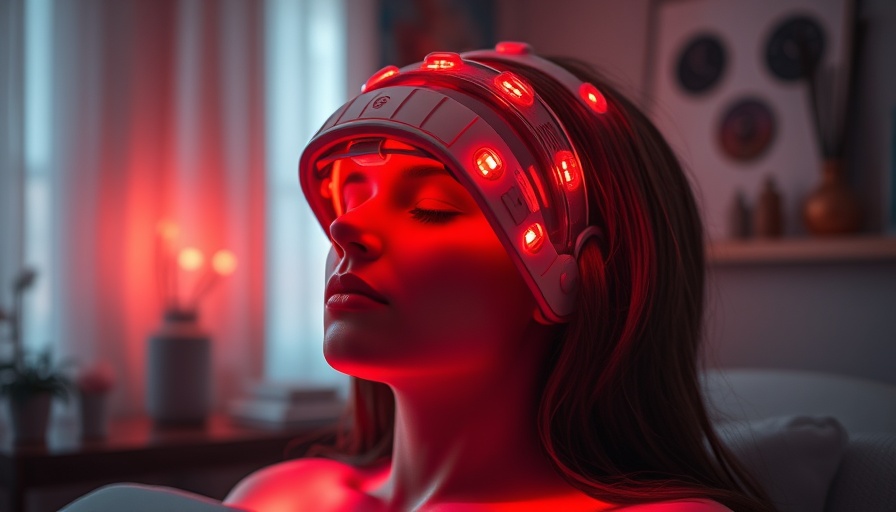
Red light therapy for hair growth on a person's head.

Red Light Therapy: A Bright Solution for Hair Growth

In the quest for fuller, healthier hair, many are searching for effective solutions that blend science with accessibility. Among these innovations, red light therapy has emerged as a standout treatment, gaining endorsement from high-profile figures like American tech entrepreneur Bryan Johnson. With the increasing awareness of non-invasive treatments, it’s essential to explore what red light therapy truly offers and how it may benefit women seeking reliable beauty solutions.

Understanding the Science Behind Red Light Therapy

Red light therapy (RLT), often referred to as low-level laser therapy (LLLT) or photobiomodulation (PBM), employs low-wavelength red and near-infrared light to stimulate various cellular processes. Dermatologist Dr. Vinata Shetty points out that the procedure typically utilizes wavelengths between 630-670 nanometers and 810-850 nanometers. This therapy not only promotes skin healing but is increasingly recognized for its role in enhancing hair growth due to its ability to improve scalp circulation.

The Benefits of Red Light Therapy for Hair Restoration

1. Collagen Stimulation: RLT encourages collagen production, a vital protein that supports hair follicle health and skin elasticity. Increased collagen levels can help strengthen the hair shaft, reducing breakage and contributing to thicker hair.
2. Enhanced Blood Circulation: By increasing nitric oxide production, RLT enhances blood flow to the scalp, delivering essential nutrients and oxygen to hair follicles. Improved circulation is crucial in supporting cellular regeneration, making it a promising option for those suffering from hair loss.

Why Bryan Johnson Swears by Red Light Therapy

For Bryan Johnson, hair restoration is part of a broader journey towards longevity and wellness. His personal experience with hair loss, which began in his twenties, led him to proactively address these issues before they worsened. Johnson’s commitment to using technology in his beauty regimen highlights the potential of non-invasive procedures in transforming hair care routines. He famously noted, 'Start early to avoid visible loss,' emphasizing the need for preventive measures.

How to Incorporate Red Light Therapy into Your Routine

Integrating red light therapy into your daily skincare or haircare routine is simpler than you might think. Johnson recommends wearing a red light cap just six minutes a day—a manageable timeframe that allows multitasking during morning routines. Many products today are designed for home use, making this treatment accessible without the need for professional appointments.

Could Red Light Therapy Work for You?

If you're considering red light therapy, discern its suitability through personalized health evaluations. While many experience positive results, it’s important to consult professionals who can assess your hair loss and provide tailored recommendations. Additionally, two things to consider before starting are your overall health and the consistency of treatment, as results typically take time and commitment.

More Than Just Hair: The Holistic Benefits of RLT

Besides its effects on hair growth, red light therapy boasts a range of other health benefits, including skin rejuvenation, pain relief, and mood enhancement. Many wellness enthusiasts are incorporating RLT into their routines, attesting to its ability to promote not only beauty but overall well-being. With these holistic advantages, RLT stands out as a multifaceted approach to self-care.

Final Considerations: A Holistic Approach to Hair Health

While red light therapy may offer promising results, it’s essential to combine these efforts with comprehensive care strategies. This includes maintaining a balanced diet, managing stress, and possibly integrating other natural remedies known to benefit hair health, such as rosemary oil and biotin supplements. By adopting a holistic approach, you're more likely to see significant improvements in both hair health and overall well-being.

Now that you have insights into red light therapy and its role in effective hair restoration, it’s time to take action. Whether you choose to explore this innovative treatment or delve deeper into other personal care options, remember that your journey toward enhanced beauty and wellness is an empowering one. Every proactive choice you make contributes to your unique story of health. Embrace the possibilities!

Longevity & Anti-Aging

3 Views

0 Comments

Write A Comment

*
*
Related Posts All Posts
12.12.2025

Urban Pollution's Hidden Impact: 6 Ways to Protect Your Skin Barrier

Update Navigating Urban Life: Your Skin's Greatest Challenge Living in a bustling city offers numerous pleasures—vibrant cultures, diverse cuisines, and endless entertainment. However, this urban bliss comes with its share of challenges, particularly for your skin. The daily exposure to pollution, stress, and erratic weather conditions can take a toll on our skin's natural barrier, a crucial defender against environmental stressors. The skin barrier not only locks in moisture but also offers protection from irritants, free radicals, and harmful pollutants. Understanding Your Skin Barrier and Its Importance Before jumping into solutions, let’s briefly revisit the role of the skin barrier. Comprised mainly of lipids, proteins, and cells, this outermost layer helps retain hydration and prevent harmful substances from penetrating deeper layers. When compromised, your skin may become dry, sensitive, or prone to breakouts and inflammation, making protective measures all the more essential. Effective Strategies for Urban Skin Care With insights from dermatologist Dr. Rinky Kapoor, we unveil six vital steps to bolster your skin’s defenses against urban threats. 1. Mastering the Art of Cleansing One of the foundational steps in skincare is cleansing—ideally performed twice a day. Urban environments bombard our skin with pollutants, making it essential to clear the skin of dirt and impurities. Dr. Kapoor recommends a gentle two-step cleansing method. Begin with an oil-based cleanser to remove makeup and grime, then follow up with a mild, pH-balanced cleanser. This technique refreshes the skin while maintaining its natural oils. 2. Antioxidant Armor: A Morning Must After cleansing, it's crucial to arm your skin with antioxidants. Exposure to free radicals from urban air can lead to oxidative stress. Incorporating a serum with vitamins C, E, or niacinamide can help neutralize these threats, reinforcing your skin barrier and enhancing radiance. 3. The Undeniable Importance of Sun Protection It’s easy to underestimate the sun's impact in a city filled with tall buildings, but UV rays can penetrate and cause lasting damage. Dr. Kapoor emphasizes using a broad-spectrum sunscreen with at least SPF 50 daily, applying every two hours—even if you're mostly indoors. Be mindful to protect forgotten areas like your neck and the backs of your hands. 4. Exfoliation Done Right Exfoliation can rejuvenate dull skin by sloughing off dead cells. However, if overdone, it can lead to irritation. Dr. Kapoor advises introducing chemical exfoliants gradually—starting once a week and increasing with skin tolerance. Pair exfoliation with moisturizing, especially when using potentially irritating ingredients like retinoids. 5. Mastering Stress Management for Healthier Skin Chronic stress impacts not just mental health but skin vitality too. Elevating stress levels can lead to inflammation and dullness. Prioritize good sleep, incorporate physical activity, and explore practices like meditation or yoga to foster relaxation. Pairing these habits with a nutrient-rich diet can pave the way for healthier skin. 6. Reassessing Meal Choices for Healthier Skin Nutrition plays an essential role in skin health. Fueling your body with foods rich in antioxidants, omega-3 fatty acids, and vitamins not only supports general health but enhances your skin's resilience against urban adversities. Foods like berries, fatty fish, nuts, and leafy greens can fortify your skin from within. Actively Engaging with Your Skin Care Routine By implementing these dermatologist-approved methods, you are taking proactive steps toward protecting your skin barrier. It's crucial to understand that effective skincare is not restrictive but rather an empowering routine that promotes durability and radiance amidst urban life. Conclusion: Prioritize Skin Care for Urban Living As city dwellers, embracing these skincare habits can dramatically enhance your complexion, allowing you to enjoy the perks of city life without compromising skin health. So, why wait? Start integrating these strategies today and feel the difference. Your future self will undoubtedly thank you.

12.06.2025

Rethink Your Skincare Routine: 7 Habits Disrupting Your Hormones

Update Understanding the Hidden Impact of Skincare on Hormones When it comes to skincare, many women focus intently on achieving glowing skin or reducing signs of aging. However, what if your daily beauty regimen is secretly undermining your hormonal health? Many popular products contain ingredients known to disrupt hormonal balance, impacting not only the way your skin looks but your overall well-being. Dermatologists, including Dr. Rinky Kapoor, caution against habits that could be silently wreaking havoc on your hormones. 1. The Problem with Endocrine-Disrupting Chemicals It’s easy to trust products that grace the shelves of local drugstores, especially those adorned with catchy advertising. However, lurking in many skincare items are phthalates and synthetic fragrances, which mimic estrogen in the body. A pivotal study from the Endocrine Society highlights how such chemicals interfere with hormonal production, potentially contributing to various skin issues. 2. Over-Exfoliation: A Dangerous Trend In the quest for flawless skin, many fall into the trap of over-exfoliating—an act that strips the skin of its natural barrier and escalates cortisol, the stress hormone. Dr. Kapoor suggests limiting exfoliation to just two or three times a week to allow your skin to heal naturally. It’s a gentle reminder that our skin is an ecosystem requiring balance and care. 3. Retinoids: Look Before You Leap The popularity of retinoids in the anti-aging realm is undeniable, yet many are unaware of the hormonal implications that arise if they are used haphazardly. Dermatologists warn that while these compounds can be effective, synthetic retinoids can alter hormone-sensitive processes. Always consult with a skincare professional before integrating retinoids into your routine. 4. Essential Oils: Natural but Not Always Safe While essential oils are celebrated for their natural properties, certain types like lavandin and tea tree oil can disrupt hormone levels. Studies indicate these oils may exhibit estrogenic effects, raising concerns about their frequent use. Therefore, if you enjoy incorporating these into your skincare, ensure proper dilution and limited application to safeguard hormonal stability. 5. The Role of Sun Protection Prioritizing sun protection is crucial to maintain both skin health and hormonal balance. Neglecting sunscreen can lead to oxidative stress and inflammation, both of which can affect hormone production. Dr. Kapoor emphasizes the importance of daily broad-spectrum SPF use—a simple yet impactful habit in your skincare arsenal. 6. Beware of Fragrance Fragrances are enticing, but they often harbor a concoction of chemical compounds that can disrupt hormonal balance. Dr. Kapoor suggests being mindful when choosing skincare products, favoring unscented or naturally scented variations to minimize exposure to harmful chemicals. Your skin’s health might improve significantly with such careful selections. 7. Connecting Gut Health and Skin Your skincare journey shouldn’t just focus on topical treatments; the state of your gut health plays an integral role in achieving beautiful skin. A healthy gut microbiome can significantly influence hormone balance and skin conditions. Dr. Kapoor recommends integrating probiotic-rich foods into your diet, as they can improve both skin appearance and hormone regulation. Final Thoughts: Taking a Holistic Approach Understanding how different aspects of our daily routine affect our skin and hormones provides a clearer path to holistic wellness. Whether it’s being more discerning of skincare products or making lifestyle changes, such as prioritizing gut health, every small adjustment can contribute to better overall health and skin. Embracing a holistic skincare approach is not just about looking good; it’s about feeling good both inside and out. And that’s something we all deserve. While aiming for beautiful skin, remember to pay attention to what goes into your products and how they impact your hormonal health. By making informed choices, you can create a skincare routine that nourishes your skin without compromising your well-being. If you’re ready to rethink your skincare regimen and elevate your hormonal health, consider seeking insights from a professional who understands both skincare and hormonal balance.

11.27.2025

Transform Your Skincare Routine This Winter: Essential Tips for Hydration and Protection

Update Adapt to Winter: Essential Skincare Changes The changing seasons not only affect the way we dress but also how we care for our skin. As winter approaches, those of us accustomed to the lightweight skincare routines of warmer months must transition to more hydrating and nourishing products. Dr. Harkanwal Sekhu, a dermatologist, emphasizes the significance of adjusting our winter skincare routine to combat dryness and maintain a healthy glow during the cold months. Why Winter Is Tough on Your Skin Cold air holds less moisture, reducing humidity levels outside. Coupled with indoor heating, this leads to dry skin, irritation, and various skin problems. Our skin’s protective barrier becomes compromised, leaving it more sensitive and prone to redness and inflammation, as outlined by dermatologist insights. Therefore, reevaluating our skincare used during the warmer months is crucial for maintaining proper hydration and skin health during winter. 1. Switch to Gentle Cleansers Foaming cleansers that were perfect for summer may now strip the natural oils from your skin, causing further dryness. In winter, opt for sulfate-free, hydrating cleansers enriched with ingredients like glycerin, aloe vera, or ceramides to cleanse without removing moisture. This simple shift sets the foundation for maintaining healthy skin through the winter. 2. Upgrade Your Moisturizer As temperatures drop, switch from lightweight gel moisturizers to thicker creams. Look for products packed with shea butter, squalane, and hyaluronic acid. These ingredients not only provide hydration, but also protect your skin against the harsh winter climate by forming an additional barrier against environmental stressors. By ensuring that your moisturizer is heavy-duty, you can better support your skin through the harshest of the cold months. 3. Don’t Skip the Sunscreen It might be tempting to forgo sunscreen in the winter months, but UV rays are still a threat regardless of the season. Dr. Sekhu urges the use of broad-spectrum sunscreen with an SPF of at least 30 daily. This is particularly important when light reflects off snow, increasing UV exposure. Keeping your skin protected helps prevent long-term damage, contributing to your skin's overall health. 4. Exfoliation: Less Is More While exfoliating is an important step for maintaining smooth skin, in winter, it's essential to be cautious. Over-exfoliation can worsen dryness and irritation. Stick to gentle exfoliants and limit this step to once a week to ensure your natural skin barrier remains intact. 5. Hydrate from Within Winter skincare isn’t just about topical treatments; hydration starts from within. It’s easy to overlook our fluid intake during the chilly months. Drinking warm herbal teas or simply water can significantly help maintain skin hydration levels, combatting the dryness that accompanies winter. 6. Ingredient Highlights for Winter Care Integrating specific powerhouse ingredients can dramatically improve your skincare routine. Ingredients such as cocoa seed butter, vitamin E, and coconut oil are not only hydrating but also help protect skin from the elements. They work to seal in moisture and restore your skin's natural barrier, making them essential during manual skincare routine adjustments. Wrap-Up for Winter Skincare Winter poses challenges that can lead to skin discomfort, but they don't have to dictate your skin health. By understanding how the cold impacts your skin and implementing tailored strategies, you can embrace the season with confidence. Remember, your skin care entirely shifts with the seasons. So don't wait—evaluate your routine today and take steps to ensure your skin remains nourished and hydrated. Impactful Steps to Elevate Your Routine As winter progresses, make sure you take proactive steps toward revamping your skincare routine. You deserve radiant and healthy skin year-round. Don’t hesitate to try new products that resonate with your winter needs, and adapt as necessary!

Terms of Service

Privacy Policy

Core Modal Title

Sorry, no results found

You Might Find These Articles Interesting

T
Please Check Your Email
We Will Be Following Up Shortly
*
*
*