Add Row
Add Element
cropper
update
WellnessDigestToday
The logo of WellnessDigest.Today
update
Add Element
  • Home
  • Categories
    • Mental Health & Mindfulness
    • Nutrition & Healthy Eating
    • Fitness & Workout Trends
    • Sleep & Recovery
    • Longevity & Anti-Aging
    • Sexual Health & Relationships
April 26.2025
3 Minutes Read

Transform Your Lower Body: Discover 10 Effective Leg Extension Alternatives

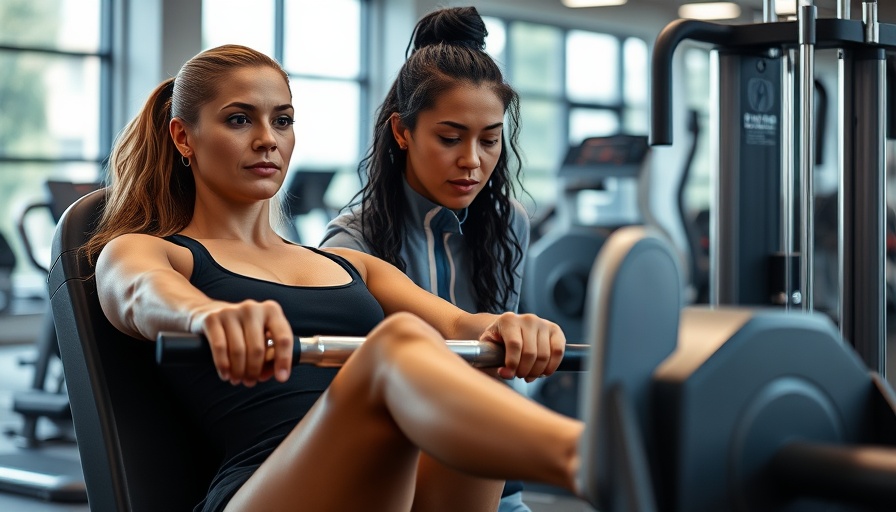
Determined woman performing leg extensions in a gym.

Redefining Leg Day: Alternatives to Machine-Dependent Exercises

When it comes to achieving strong, toned legs, people often gravitate toward machine-based exercises, like the leg extension. While these exercises can focus on specific muscle groups—particularly the quadriceps—they frequently overlook the importance of engaging multiple muscle groups for a balanced lower body workout. In this article, we explore ten effective alternatives to the leg extension that you can easily integrate into your home fitness routine, promoting overall leg strength while avoiding the risks associated with machine use.

Understanding the Leg Extension Exercise

The leg extension is a staple exercise that primarily targets the quadriceps—the prominent muscles located at the front of your thighs. To perform a leg extension, you typically need specialized equipment that might not be readily accessible for everyone. This exercise involves sitting and extending the legs against resistance, primarily isolating the quads for strength gains.

Benefits and Drawbacks of Leg Extensions

While leg extensions can improve muscle gain and knee stability, their isolating nature has significant downsides. One critical drawback is the increased stress they place on the knee joints, raising the risk of injury over time. Furthermore, by focusing solely on the front thigh muscles, leg extensions may lead to muscle imbalances, as they neglect the critical engagement of other key muscle groups such as the hamstrings and glutes.

Why Explore Alternatives?

Given the limitations of leg extensions, it’s essential to diversify your leg workouts. Engaging in exercises that target multiple leg muscles can enhance strength and stability while protecting your knees from undue stress. By incorporating a variety of movements, you will not only achieve well-rounded leg development but also reduce the likelihood of injury.

Top Ten Leg Extension Alternatives

Here are ten alternatives that provide a comprehensive workout for your legs:

  1. Bodyweight Leg Extensions/Sissy Squats: Kneel on a mat with your knees hip-width apart. Lean backward, hinging at the knees while keeping the body straight. This movement effectively targets the quads and engages the core.
  2. Squats: A fundamental exercise that works the entire lower body. Stand feet shoulder-width apart, squat down to a sitting position while keeping the chest lifted.
  3. Lunges: These can target various muscle groups. Step forward and lower your hips until both knees are bent at about a 90-degree angle.
  4. Step-Ups: Use a sturdy platform or step. Step onto the platform, driving through the heel to engage your quads and glutes.
  5. Deadlifts: Great for hamstrings and glutes. With feet shoulder-width apart, hinge at the hips while lowering a weighted object, and return to standing.
  6. Glute Bridges: Lie on your back with knees bent. Lift your hips toward the ceiling, engaging both the glutes and hamstrings.
  7. Lateral Band Walks: Using a resistance band, take steps sideways while maintaining a squat position. This targets the outer thighs and glutes.
  8. Single-Leg Deadlifts: Balancing on one leg, hinge forward with a straight back while extending the opposite leg behind you. This promotes balance and dual muscle engagement.
  9. Calf Raises: Stand on the edge of a step with heels hanging off, raising yourself up and lowering back down to strengthen calves.
  10. Wall Sits: Lean against a wall with your knees bent at 90 degrees. This static exercise engages multiple lower body muscles for endurance.

Building a Balanced Routine

The advantages of shifting away from machine-focused workouts extend beyond mere muscle engagement; these bodyweight and diverse movements can fit seamlessly into any lifestyle. Whether you’re a fitness veteran or just starting, integrating multiple alternative exercises can be transformative.

Conclusion: Take Action for Stronger Legs

Now that you have the tools and knowledge to cultivate a robust leg routine, it’s time to take actionable steps towards incorporating these alternative exercises into your regimen. Not only will you enhance lower body strength, but you’ll also foster better overall body mechanics while minimizing the risk of injury. Remember, having well-rounded lower body strength is more than just aesthetic; it's foundational for every movement in your life—from climbing stairs to running errands. Start your leg workout today by choosing just a few of these exercises!

Fitness & Workout Trends

2 Views

0 Comments

Write A Comment

*
*
Related Posts All Posts
12.11.2025

Conquer Back Pain: Essential Stretches and Fitness Tips

Update Unlocking Relief: Understanding Back Pain Back pain is an affliction many face, often stemming from factors like poor posture, sedentary lifestyles, and muscle tightness. Recruitment of the back muscles remains critical not only for posture but for overall health. The discomfort can affect daily activities, making even simple movements daunting. It’s essential to recognize how these everyday habits can contribute to back pain and find ways to mitigate their effects through targeted interventions, including regular stretching. Everyday Stretches to Alleviate Back Pain Integrating stretching into your daily routine can offer significant relief. Stretching improves flexibility, alleviates tension, and enhances blood circulation to muscles, helping mend and support your spine. By employing various stretches, as indicated by fitness experts, you’ll not only ease discomfort but also build strength. Here are some recommended stretches: 1. Bridge Pose Stretch This exercise targets the glutes and lower back while opening up the hips, combating stiffness from prolonged sitting. Start by lying on your back, knees bent, and feet flat. Lift your hips while pressing your feet into the ground, holding the position for 8-10 seconds. Repeat a few times. 2. Seated Forward Bend Ideal for lengthening tight hamstrings and stretching the entire back, this pose promotes relaxation. Sit with your legs extended, hinge from your hips, and reach toward your feet without straining. Hold for 15-20 seconds. 3. Cat-Cow Stretch This dynamic stretch enhances spinal mobility, reducing stiffness. Get into a tabletop position, alternate arching and dropping your belly while synchronizing with your breath. Repeat 10-12 times. 4. Knee-to-Chest Stretch Great for tension relief in your lower back, this stretch involves lying on your back, pulling one knee toward your chest for about 15 seconds before switching legs. 5. Pelvic Tilts Building core strength is pivotal for back health. Lying on your back, with knees bent, flatten your lower back against the ground by tightening your abdominal muscles. Hold for 5 seconds and repeat. Why Stretching Matters Regularly Daily stretching not only helps to alleviate pain but can also significantly diminish the risk of future injury. Many health professionals, including those at the NSSC Spine Clinic, emphasize the importance of incorporating a stretching routine two times a day to condition your muscles and promote healing. By committing to a daily series of stretches, you enhance your overall wellbeing and health, keeping back pain at bay. Beyond Stretching: Additional Tips for Back Health In addition to stretching, maintaining a strong core is crucial in supporting your back. Engage in core strengthening exercises weekly and pay close attention to your posture while sitting or performing daily tasks. Your lifestyle choices play a significant role in your back health, and embracing a movement-rich lifestyle will greatly benefit your spine. Regular physical activity, combined with adequate hydration and nutrition, can pave the way for a healthier back. Incorporating Movement Into Daily Life Sometimes, daily life habits exacerbate back pain. Correcting posture at work, taking frequent breaks to walk, and ensuring ergonomic placement of work tools can mitigate strain. The importance of being proactive about back health cannot be overstated—integrating simple lifestyle changes and stretching into your routine is integral to achieving and maintaining relief. Final Thoughts: An Invitation to Move Don’t wait for pain to rear its head to take action. Make stretching a non-negotiable part of your day. Whether it’s during work breaks or as part of your morning routine, these stretches and the accompanying practices can improve not only your back health but your overall wellness. It’s time to stay fit and resilient in the face of back pain!

12.06.2025

Discover 10 Essential Yogic Practices for Seniors to Beat Winter Stiffness and Pain

Update Winter's Toll: Understanding Senior Stiffness and PainThe arrival of winter not only ushers in cold weather but also brings a host of physical challenges for many seniors. The combination of cold temperatures and reduced outdoor activity can lead to increased stiffness, joint pain, and a general sense of sluggishness. According to health experts, as temperatures drop, muscles naturally tighten, making daily tasks more strenuous than they are in warmer months.It’s crucial for seniors to remain active during this time to counteract these seasonal effects. Engaging in simple, gentle exercises can prevent the discomfort commonly experienced in colder months, aiding in maintaining both physical and mental well-being.The Vital Role of Yoga in Pain ManagementYoga has become increasingly recognized for its significant benefits in managing chronic pain and stiffness, especially among older adults. The practice combines mindful breathing, gentle movements, and postures designed to enhance flexibility and core strength. Health practitioner Shynee Narang emphasizes that regular yoga practice not only helps in reducing discomfort but also allows for better mobility, increased circulation, and improved overall health.Incorporating yoga into a winter routine offers more than just physical relief; it can provide emotional upliftment, combating the winter blues that many seniors face. With a few tailored yogic practices, seniors can cultivate a winter routine that keeps them active, agile, and free from pain.10 Yogic Practices to Alleviate Winter DiscomfortHere are ten gentle yogic practices that seniors can incorporate into their daily routines this winter to combat stiffness and promote overall health:Skandha Chakra (Shoulder Rotations)This practice loosens stiff shoulders and enhances upper-body mobility. To perform, sit upright and rotate your elbows in wide circles for 10 to 15 repetitions, alternating directions while maintaining slow, steady breathing.Manibandha Chakra (Wrist Rotations)This movement eases wrist stiffness, particularly beneficial for those suffering from arthritis. Extend your arms and rotate your wrists 10 times in each direction.Mushtika Bandhana (Opening and Closing Fists)This exercise strengthens hand muscles. Stretch your arms out, make tight fists, then open your palms wide for 15 to 20 repetitions.Janu Chakra (Knee Crank)Sitting with legs stretched, bend one knee toward your chest and rotate it in a circular motion for 10 rounds before switching legs.Goolf Chakra (Ankle Rotation)Lift one foot slightly while seated and rotate your ankle in both directions for 10 rounds to improve mobility.Marjari- Bitilasana (Cat and Cow Pose)This position enhances spine flexibility. On all fours, alternate between arching and rounding your back, repeating for 10 to 12 rounds.Titliasana (Butterfly Pose)Sitting with the soles of your feet together, gently flap your knees for 20 to 30 seconds, promoting hip flexibility.Gatyatmak Meru Vakrasana (Dynamic Seated Spinal Twist)This twist helps relieve back stiffness. Practice alternating twists 10 times on each side while seated cross-legged.Nauka Sanchalanasana (Rowing the Boat Pose)Imagining yourself rowing a boat, lean forward and perform this gentle motion for 10 to 15 counts to strengthen your core.Bhastrika Pranayama (Breath of Fire)This breathing exercise promotes lung capacity and warmth. Sit up straight, take deep breaths in, and exhale forcefully through your nose for 20–30 seconds.The Unique Benefits of These PracticesThese yogic practices not only address physical stiffness but also support emotional health. By dedicating time to this personal wellness routine, seniors can significantly enhance their quality of life during the challenging winter months. Improved flexibility and movement can translate into greater independence and the ability to participate in social activities, keeping loneliness at bay.Incorporating Yoga into a Daily RoutineEstablishing a consistent practice is key to experiencing the full benefits of yoga. Seniors are encouraged to set aside time each day, perhaps during the mornings to prepare themselves for the day ahead or in the evenings to wind down and relieve tension accumulated throughout the day. Even short sessions can be beneficial. Over time, these practices can become a cherished part of daily life.In conclusion, engaging in simple yoga exercises can be a transformative practice for seniors, particularly during winter. They not only provide physical benefits but also keep spirits high, enabling seniors to embrace the joys of the season without the pain that typically comes with it. Taking proactive steps now to incorporate these practices can lead to healthier and happier winters.

12.04.2025

Transform Your Fitness Journey with These 7 Effective Squat Variations

Discover squat variations for weight loss that boost metabolism and fitness. Learn effective exercises and stay fit with our insightful guide.

Terms of Service

Privacy Policy

Core Modal Title

Sorry, no results found

You Might Find These Articles Interesting

T
Please Check Your Email
We Will Be Following Up Shortly
*
*
*